This year, The Porch is proud to introduce a new writers’ residency program at Rivendell in Sewanee, Tennessee. Perched above Lost Cove on the Cumberland Plateau, Rivendell has played a vital role in the story of The Porch for years as the site of our twice-annual retreat program. This February, we’re thrilled to welcome six accomplished writers to “the Mountain,” as Sewanee and Monteagle locals dub their beautiful plateau home, for a week of dedicated focus on projects in progress. A second residency will take place in late summer 2026. We are grateful to everyone who applied for this inaugural round, and encourage you to keep applying—for this and other residences. As Catherine Lacey says, Apply for the damn thing!
But first, meet the February 2026 Rivendell Residency cohort:
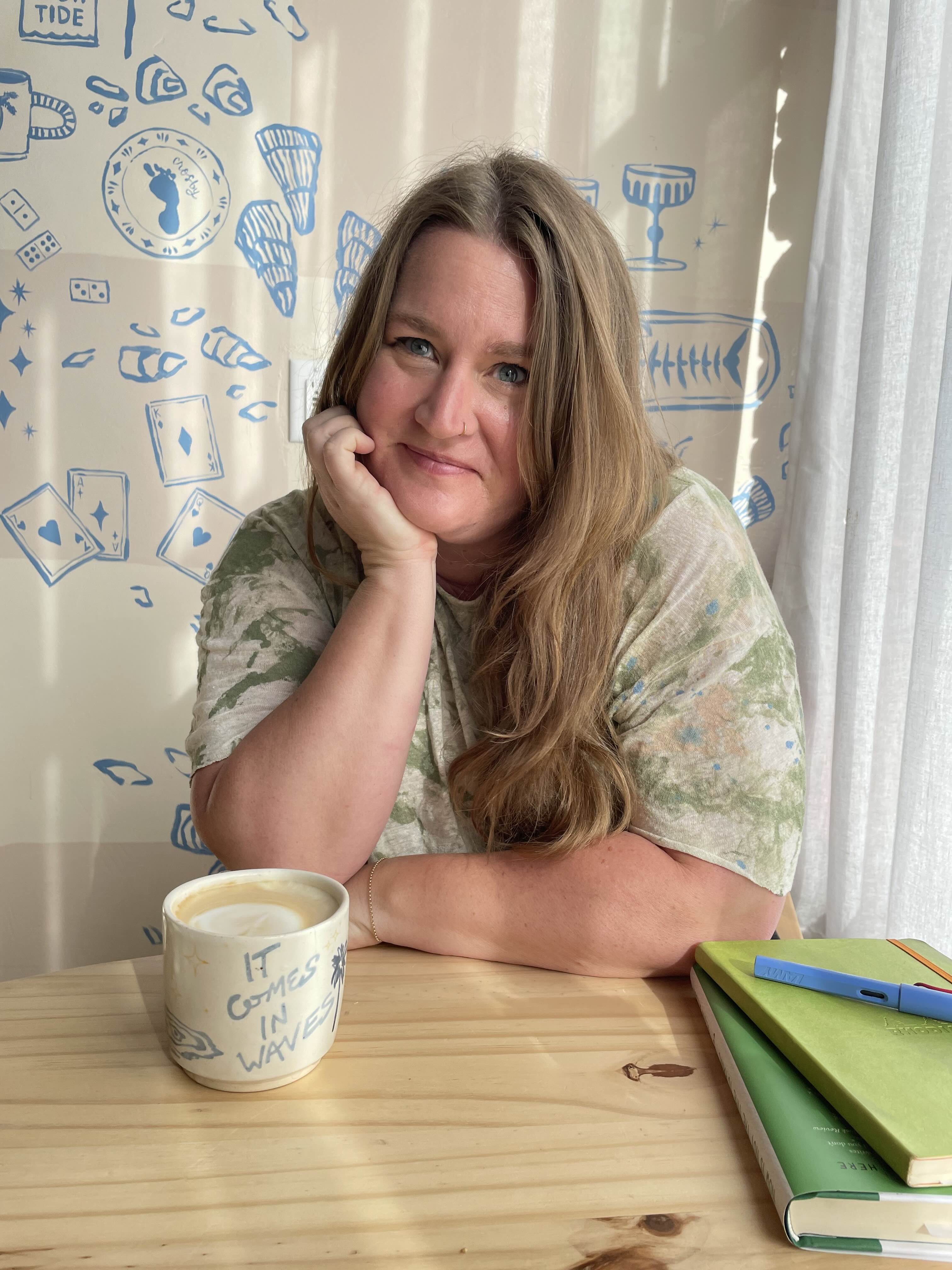
Beth Brown Ables is an editor and freelance writer living in Greenville, South Carolina. She is the winner of the 2025 McCoy Grant, a contributor to publications including Garden & Gun and Vessel, as well as the author of the cookbook zine series A Place Here. She taught high school English and Creative Writing for eight years, and is the marketing manager at M. Judson Booksellers. An avid home cook, Beth also enjoys gardening, finding significance in the mundane, and laughing with her family. The laundry is never done.
Beth tells us, “I look forward to completing revisions on a draft of my lyric memoir I've been calling Ordinary Time. As a working mother and writer, it's difficult to find sustained time to write and revise, and I'm thrilled to have this opportunity to sink deep into my work in the company of other writers in such a beautiful location.”
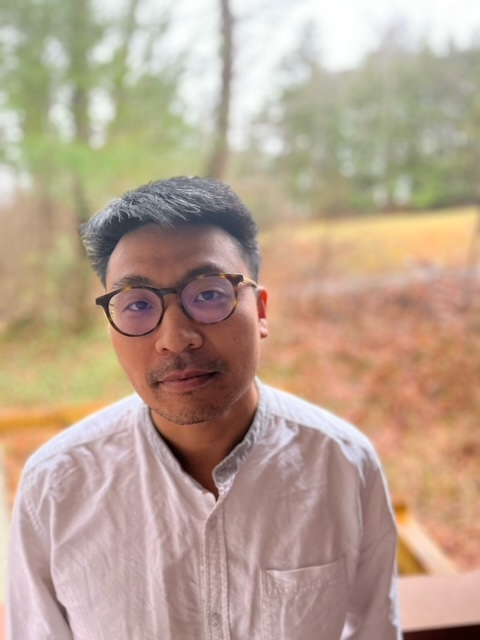
Christian Detisch is a writer whose poems, essays, and reviews have appeared or are forthcoming in The Rumpus, 32 Poems, Image, Blackbird and elsewhere. He received his MFA in poetry from Virginia Commonwealth University and his MDiv from the Institute of Sacred Music at Yale Divinity School. He works as a healthcare chaplain in Asheville, North Carolina.
During his residency, Christian will be working on completing his first manuscript of poems, which draws on his experience training and working as a healthcare chaplain. Specifically, he is focused on a sequence in the manuscript considering the idea of respite, which in hospice work carries a particular meaning: a benefit which allows patients to reside and be cared for at a hospital, a hospice inpatient unit, or nursing home for a short period of time so that caregivers can rest or travel.
Kristen Iskandrian is the author of the novel Motherest, named a Best Book of 2017 by Publishers Weekly, a defining book of 2017 by The Wall Street Journal, and long-listed for the Center for Fiction First Novel Prize. Her short fiction can be found in publications including The Best American Short Stories, Joyland, McSweeney’s, Ploughshares, and The O. Henry Prize Short Stories. Her story "Quantum Voicemail," originally published in Electric Literature, was recently featured on Selected Shorts, read by Lauren Ambrose. Iskandrian has been awarded fellowships from Breadloaf, the Sustainable Arts Foundation, and the Alabama State Council on the Arts. She is the co-owner of Thank You Books, a women-owned independent bookstore in Birmingham, Alabama.
Kristen tells us, “I am so eager to work on my novel-in-progress in Rivendell. It's a wily, ambitious project about God.”
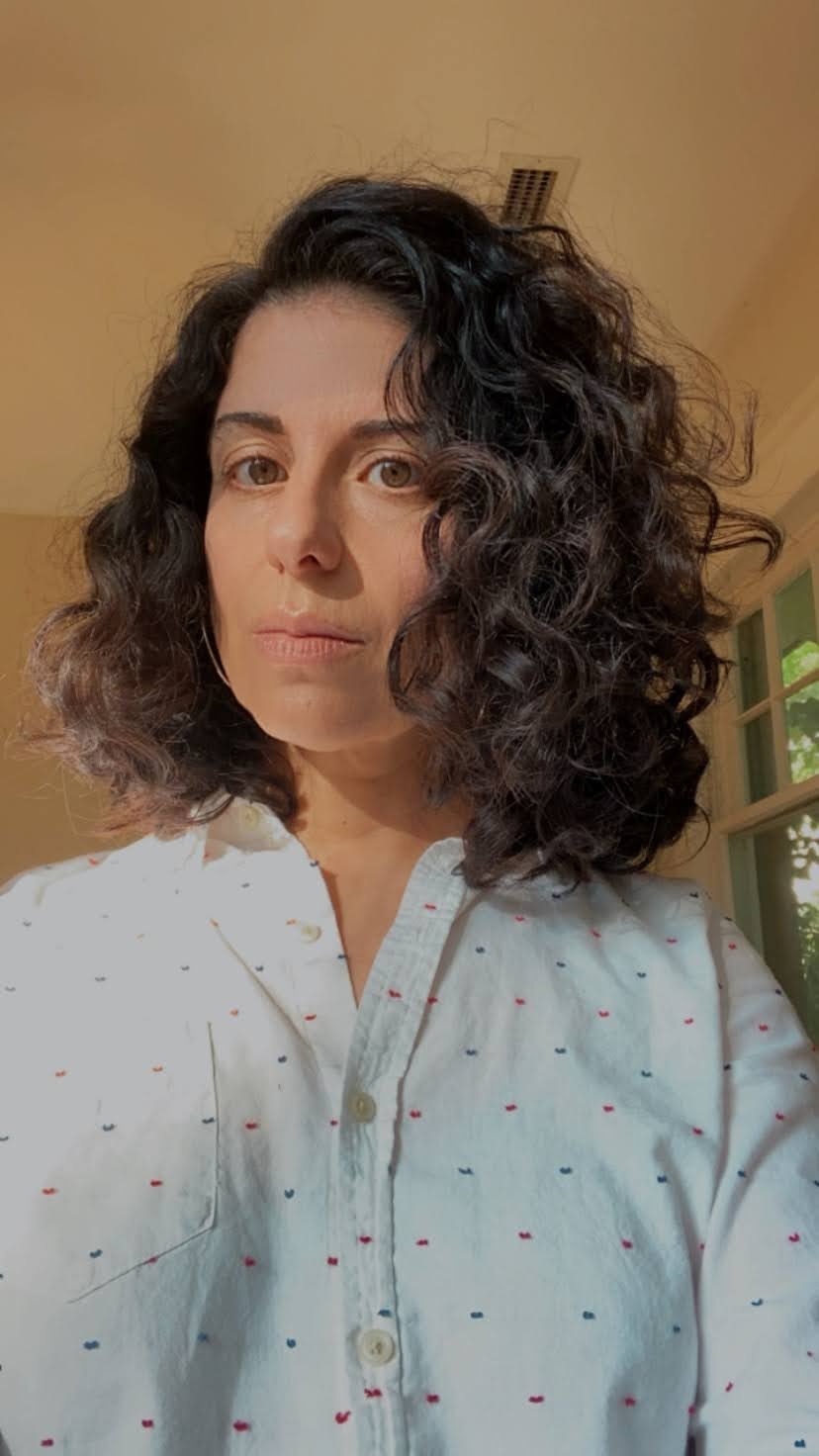
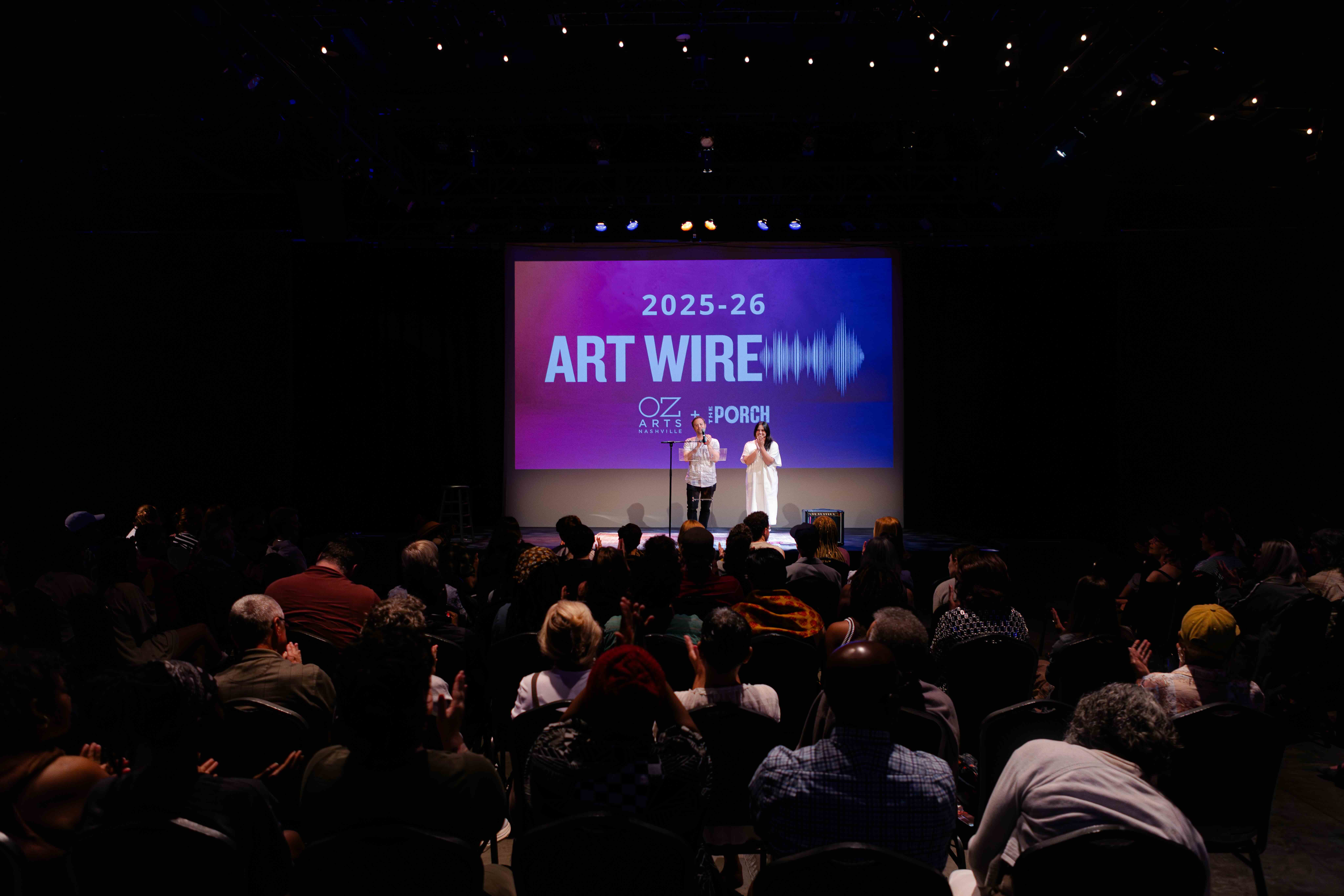
Lane Scott Jones is a Nashville-based writer and speaker whose creative nonfiction has appeared in Longreads, Good Grit, Nashville Scene, and in translation in Internazionale. Lane's writing has been awarded a 2025 ASJA Award for first-person essay, selected as runner-up for the W.W. Norton’s Writers Prize in Creative Nonfiction, and nominated for a Pushcart Prize. Her work has been supported by the Virginia Center for the Creative Arts, The Porch, Hypatia-in-the-Woods, and OZ Arts Nashville as a 2025–2026 Art Wire Fellow. Lane has been a featured speaker at events hosted by TEDx, Creative Mornings, Soho House, and more. She is currently at work on her first book, a memoir reimagining gender, sexuality, and desire in the evangelical South.
During her time at Rivendell, Lane will focus on completing a full draft of her memoir manuscript, writing and revising essays that explore how purity culture, Southern codes of femininity, and evangelical teachings shaped her understanding of womanhood, her body, and herself. This residency offers the deep focus necessary to explore the questions at the center of this book: What does it mean to unmake the stories we were raised with? And what new narratives might we build in their place?
Erica Kaye is a pediatric oncologist and palliative care physician at St. Jude, where she helps children with advanced cancer die with comfort and dignity. She also serves as Director of the Quality-of-Life Research Program at St. Jude, leading scientific investigations to improve physical, psychosocial, spiritual, and existential care for children with serious illness and their families. She has authored >150 articles in academic journals and published essays in mainstream media including ABC News and Good Morning America. She is also a mom to three little kids, and in her (nonexistent) spare time, she is working on her first novel.
Erica tells us, “I have outlined the concept for a speculative fiction novel, and I hope to begin writing a messy first draft during this residency. The novel is set in a dystopian future where death can be predicted and avoided at a steep cost to society, and the central theme of the story is that the more we fear death, the less we remember how to live.”
Meghan O’Brien holds an MFA in Fiction from the University of New Orleans. Her work explores how setting shapes identity and belonging, with a particular focus on the swamplands of Louisiana and the California landscapes of her childhood. She has published short fiction and is currently at work on her first novel.
During her residency, Meghan will be revising her first novel, Let the Water Rise, focusing on deep structural revision and early-stage rewrites. Her time at Rivendell will provide space for clarifying the novel’s emotional architecture and refining its braided narrative structure.